Technology is often described as neutral. It is said to simply execute instructions, free from bias or intention. When it comes to workplace systems, this idea is comforting because it suggests that decisions made by software are objective and fair. In reality, tables have turned. Why, you may ask? Because technology is never neutral, especially when it shapes work, which is especially true in the age of AI.
AI systems reflect the values, assumptions, and priorities of the people who design, train, and deploy them. These influences may be subtle, but they are always present.
Every system begins with choices. What data is used? Which outcomes are prioritized? How success is measured. These decisions determine how a system behaves in practice. If productivity is valued above all else, systems will push pace. If monitoring is emphasized, systems will track more behavior. These outcomes are not accidental. They are the result of design priorities. Calling technology neutral hides these choices and makes their consequences harder to question.
AI systems learn from past data. That data reflects existing practices, incentives, and inequalities. When systems are trained on incomplete or biased information, they reproduce those patterns. Even when intentions are good, assumptions embedded in data shape results. A system that optimizes efficiency may overlook fatigue. A system that tracks output may ignore context. Neutrality is often claimed where transparency is lacking.
When systems influence scheduling, evaluation, or discipline, they affect trust and morale. Workers notice patterns, even when they cannot see the logic behind them. If outcomes feel inconsistent or unfair, confidence declines. People may comply outwardly while disengaging internally. Over time, this erodes safety culture and cooperation.Recognizing that systems reflect human choices allows organizations to address these issues openly rather than dismissing them as technical artifacts.
Neutrality removes accountability. If outcomes are blamed on the system, responsibility becomes diffuse. Acknowledging embedded values restores ownership. Organizations that recognize this can govern systems more effectively. They can review assumptions, adjust priorities, and involve workers in evaluation. This approach does not slow innovation. It strengthens it by aligning systems with human needs.
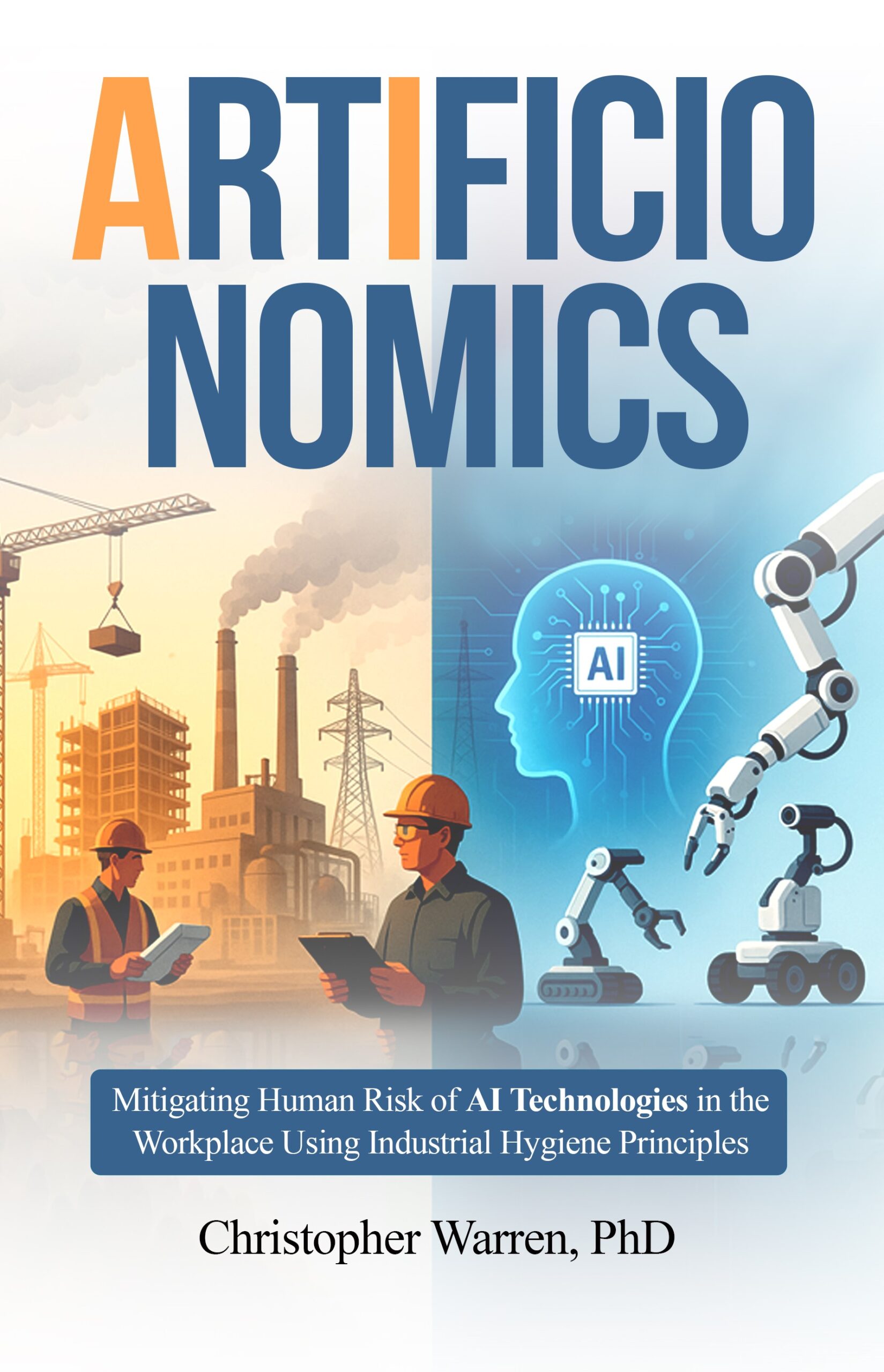
In regard to this,ArtificIonomics: Mitigating Human Risk of AI Technologies in the Workplace Using Industrial Hygiene Principles by Christopher Warren addresses this myth directly by treating AI as a designed influence on work rather than an impartial tool. By applying safety principles to system design and governance, this book helps organizations to understand and manage technology with clarity and responsibility, without the expense of people’s safety and physiological health.
By blending decades of experience in industrial hygiene and risk management, Dr. Christopher Warren introduces a groundbreaking new discipline for addressing the human risks associated with AI and robotics. From physical hazards to psychological pressures, this book reveals how technology can be integrated responsibly without sacrificing worker well-being. Packed with case studies, practical tools, and actionable strategies, ArtificIonomics is a must-read for safety professionals, executives, and anyone seeking to protect people while embracing innovation.