Trust is one of the most valuable assets an organization holds. It shapes how employees engage with their work, how openly they communicate, and how they respond when problems arise. Unlike productivity metrics, trust does not disappear overnight. It erodes quietly.
AI systems can influence trust in subtle ways. When used thoughtfully, they can support fairness and clarity. When implemented without attention to human experience, they can undermine confidence and cooperation over time.
Monitoring Without Context Creates Distance
Many AI systems increase monitoring. Performance dashboards, behavior tracking, and automated alerts promise objectivity. Yet when workers do not understand how these systems interpret their actions, monitoring feels impersonal and unforgiving.
Trust suffers when people believe they are being judged by systems that do not account for context. This perception can discourage initiative and honesty. Workers may focus on managing metrics rather than improving outcomes.
Transparency is essential. Without it, monitoring becomes surveillance in the eyes of the workforce.
Decision Automation Changes Perceptions of Fairness
AI increasingly influences decisions about scheduling, task assignment, evaluation, and promotion. Even when these systems are designed to be neutral, they can feel arbitrary if their logic is unclear.
When employees cannot see how decisions are made or how errors are corrected, confidence declines. People are more willing to accept difficult outcomes when they understand the process behind them.
Trust depends on the ability to question and appeal. Systems that do not allow for human review weaken that foundation.
Silence Is a Warning Sign
One of the clearest signs of declining trust is silence. When workers stop raising concerns, reporting near misses, or offering feedback, leaders may assume things are going well. In reality, problems are simply going unspoken.
AI systems can unintentionally accelerate this silence. If people believe speaking up will negatively affect metrics or trigger automated consequences, they may choose disengagement over risk.
Trust thrives in environments where questioning is safe and valued. Systems must reinforce that message rather than contradict it.
Cultural Consequences Take Time to Surface
The cultural impact of AI is rarely immediate. Trust erodes gradually as small frustrations accumulate. Increased turnover, reduced engagement, and declining morale may appear months or years later.
By the time these signals are visible, reversing them is difficult. Trust cannot be restored through policy changes alone. It requires visible commitment and structural adjustments.
Organizations that assess cultural impact early are better equipped to intervene before damage becomes entrenched.
Protecting Trust Through Design and Governance
Trust is not an abstract concept. It is shaped by daily interactions between people and systems. Design choices, governance structures, and leadership behavior all matter.
AI systems should be implemented with clear communication, opportunities for feedback, and defined accountability. Workers should know where systems are used, how outputs are interpreted, and how concerns are addressed.
Organizations that recognize trust as a safety factor are better positioned to manage long-term risk. Trust supports reporting, adaptation, and resilience.
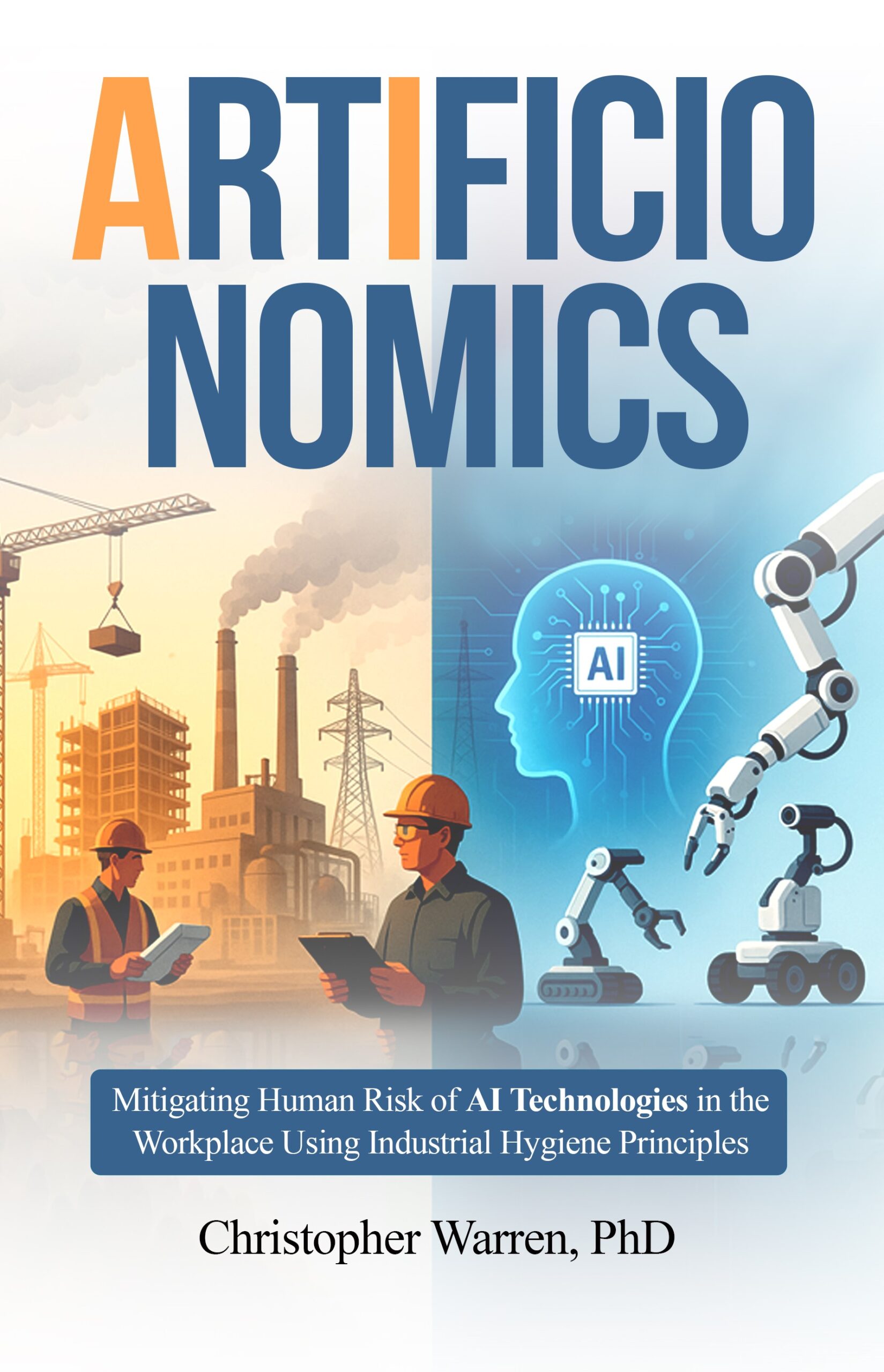
For readers interested in exploring how AI design affects trust and culture, ArtificIonomics offers a practical framework. By blending decades of experience in industrial hygiene and risk management, Dr. Christopher Warren introduces a groundbreaking new discipline for addressing the human risks associated with AI and robotics. From physical hazards to psychological pressures, this book reveals how technology can be integrated responsibly without sacrificing worker well-being. Packed with case studies, practical tools, and actionable strategies, ArtificIonomics is a must-read for safety professionals, executives, and anyone seeking to protect people while embracing innovation.
For more information and insight, please visit https://artificionomics.com/.