Yes, but only when it is designed around people.
In Artificionomics: Mitigating Human Risk of AI Technologies in the Workplace, Christopher Warren, PhD, explains that workplace technology can either support human wellbeing or quietly damage it. The difference depends on how organizations introduce, govern, and monitor it.
When used responsibly, intelligent systems can reduce repetitive tasks, improve safety, support decision making, and give workers more time for creative and meaningful work. They can help prevent fatigue, improve scheduling, detect hazards, and remove people from dangerous environments. But workplace happiness does not come from efficiency alone.
If workers feel watched, replaced, rushed, or judged by systems they do not understand, technology can increase stress instead of reducing it. Constant monitoring, unclear decisions, and loss of autonomy can weaken trust and morale. A faster workplace is not always a happier one.
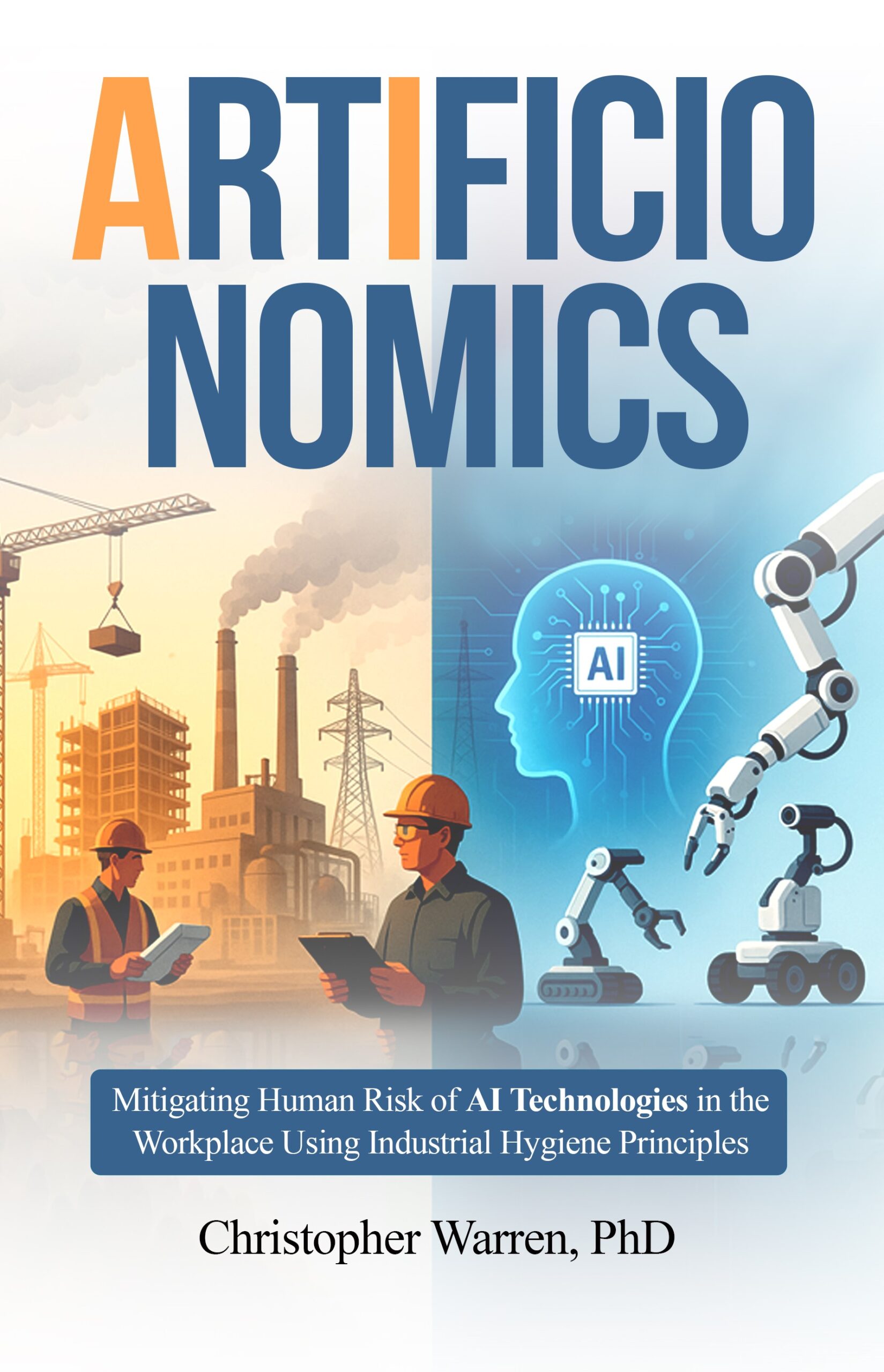
Christopher Warren’s Artificionomics offers a practical way to solve this tension. Using industrial hygiene principles, the book shows how organizations can identify, evaluate, and control human risks before they become burnout, anxiety, disengagement, or turnover.
The key is human centred adoption. Employees should understand how systems are used, have a voice in implementation, receive proper training, and know that human judgement remains important. Leaders must treat dignity, trust, fairness, and psychological safety as core parts of workplace safety.
This book is valuable for executives, safety professionals, human resource leaders, and policy-makers who want innovation without losing the human heart of work.
Artificionomics makes a clear case: technology can improve workplace happiness, but only when it protects people as carefully as it improves performance. Christopher Warren gives organizations the roadmap to make that possible.
Get your Copy Now on Amazon: https://www.amazon.com/dp/B0GFY4RL6B.