Many organizations believe AI regulation is still years away. In reality, U.S. agencies are already regulating AI in the workplace through existing authority. OSHA, NIOSH, and the EEOC have each made clear that AI-driven systems fall within their mandates when they affect worker safety, health, and rights.
OSHA and AI-Related Safety Obligations
OSHA does not regulate technology directly. It regulates hazards. When AI systems influence safety outcomes, they fall under existing standards and the general duty clause of the law.
If AI-driven scheduling contributes to fatigue or automated systems increase exposure to hazards, employers remain responsible for preventing these issues.
OSHA guidance on robotics, automation, and emerging technologies emphasizes hazard recognition, training, and safeguards regardless of system autonomy.
NIOSH and Emerging Work Risks
NIOSH plays a critical role in research and guidance. The agency has identified automation, algorithmic management, and digital monitoring as emerging occupational risk factors.
Through its Future of Work and Total Worker Health programs, NIOSH emphasizes the connection between technology, mental health, fatigue, and risk of injury.
While NIOSH does not enforce regulations, its research has a significant influence on OSHA policy and employer best practices.
EEOC and Algorithmic Fairness
The EEOC has been explicit about the use of AI in employment decisions. In guidance and enforcement actions, the agency has stated that employers are liable for discriminatory outcomes resulting from the use of AI tools.
This includes hiring, promotion, termination, and performance evaluation systems.
What This Means for Employers?
AI governance is no longer optional. Therefore, employers must understand how AI systems affect safety, fairness, and health. Whether it is documentation, validation, human oversight, or worker transparency, these are becoming baseline expectations, and ignoring AI impacts increases regulatory, legal, and operational risk.
In short, many agencies are already using long-standing principles to address new technologies and their concerns. Those organizations that recognize this shift and its safety concerns early are better positioned to comply and adapt.
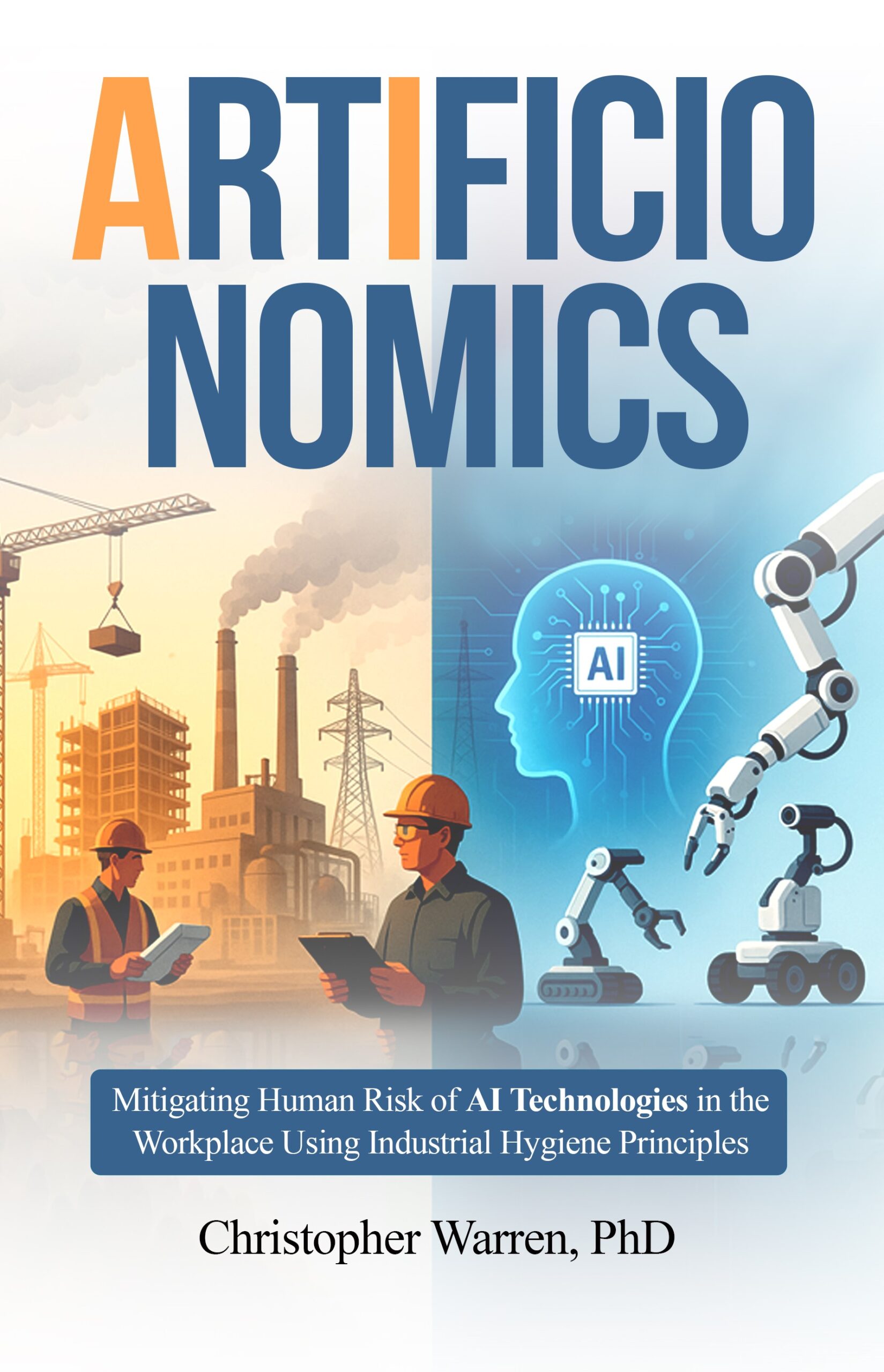
In this regard, Artificionomics: Mitigating Human Risk of AI Technologies in the Workplace Using Industrial Hygiene Principles can help. This book introduces a structured and practical framework for treating artificial intelligence as a workplace exposure, applying the same rigor used for chemical, physical, and psychosocial hazards.
Through real-world case studies, regulatory analysis, and actionable assessment tools, Artificionomics equips safety professionals, organizational leaders, and policymakers to govern AI responsibly while protecting worker health, safety, and dignity in this technologically advanced era.
For more details visit our website: https://artificionomics.com/