Artificial intelligence has quickly become part of how organizations plan for growth. It shapes hiring decisions, workflow design, predictive maintenance, customer service, and performance management. AI strategies are discussed in boardrooms, budget reviews, and transformation roadmaps. Yet one critical element is often missing from these conversations: safety.
Safety is frequently treated as an operational concern rather than a strategic one. That separation no longer works. When AI influences how people work, think, and make decisions, safety becomes inseparable from business resilience.
An AI strategy that focuses only on efficiency, scale, or cost savings overlooks the human systems it affects. Over time, that oversight creates risks that undermine performance rather than enhance it.
Safety Is a Strategic Asset, Not a Constraint
Organizations that integrate safety into strategy are better positioned to adapt. Safety systems anticipate failure, identify weak signals, and prevent small issues from escalating. These are the same capabilities organizations need to manage AI responsibly.
AI systems introduce new forms of risk that are not always visible. They can compress timelines, increase monitoring pressure, and shift decision authority away from workers. None of these changes are inherently unsafe, but they can become so if left unmanaged.
When safety is absent from AI strategy, risk management becomes reactive. Leaders respond to incidents, complaints, or regulatory scrutiny after harm has already occurred. Strategic resilience depends on anticipation rather than response.
AI Changes How Risk Accumulates
Traditional risk models assume stability. AI driven systems are dynamic. They evolve through updates, retraining, and integration with other tools. Risk accumulates gradually as work patterns shift.
For example, an AI scheduling system may optimize productivity but gradually erode recovery time. A monitoring tool may improve visibility but increase stress and hesitation to report problems. These effects build quietly and surface only when trust or performance declines.
Safety strategy helps organizations track these changes over time. It encourages regular review of how systems affect workload, decision making, and attention. Without this perspective, leaders may miss early warning signs.
Strategic Resilience Depends on Human Reliability
Resilient organizations rely on people who can adapt, question assumptions, and respond effectively under pressure. AI can support these qualities, but it can also weaken them if implemented without safeguards.
Systems that discourage questioning or override human judgment reduce resilience. When workers feel they cannot challenge outputs or slow down processes, errors become more likely. Safety strategy ensures that AI supports human reliability rather than undermines it.
Human oversight is not a fallback. It is a core design requirement. Organizations that treat oversight as optional expose themselves to avoidable risk.
Integrating Safety Into AI Strategy
Integrating safety does not require abandoning innovation. It requires asking different questions early. How will this system affect pace, autonomy, and clarity. What happens when outputs conflict with human judgment. Who is responsible for reviewing impacts over time.
These questions belong in strategic planning, procurement, and governance discussions. When safety is embedded from the start, organizations reduce the need for corrective action later.
This approach also strengthens accountability. Leaders can demonstrate that AI adoption was deliberate, informed, and aligned with organizational values.
A Strategic Lens on AI and Safety
Organizations that align AI strategy with safety strategy build durable systems. They protect people, preserve trust, and sustain performance over time.
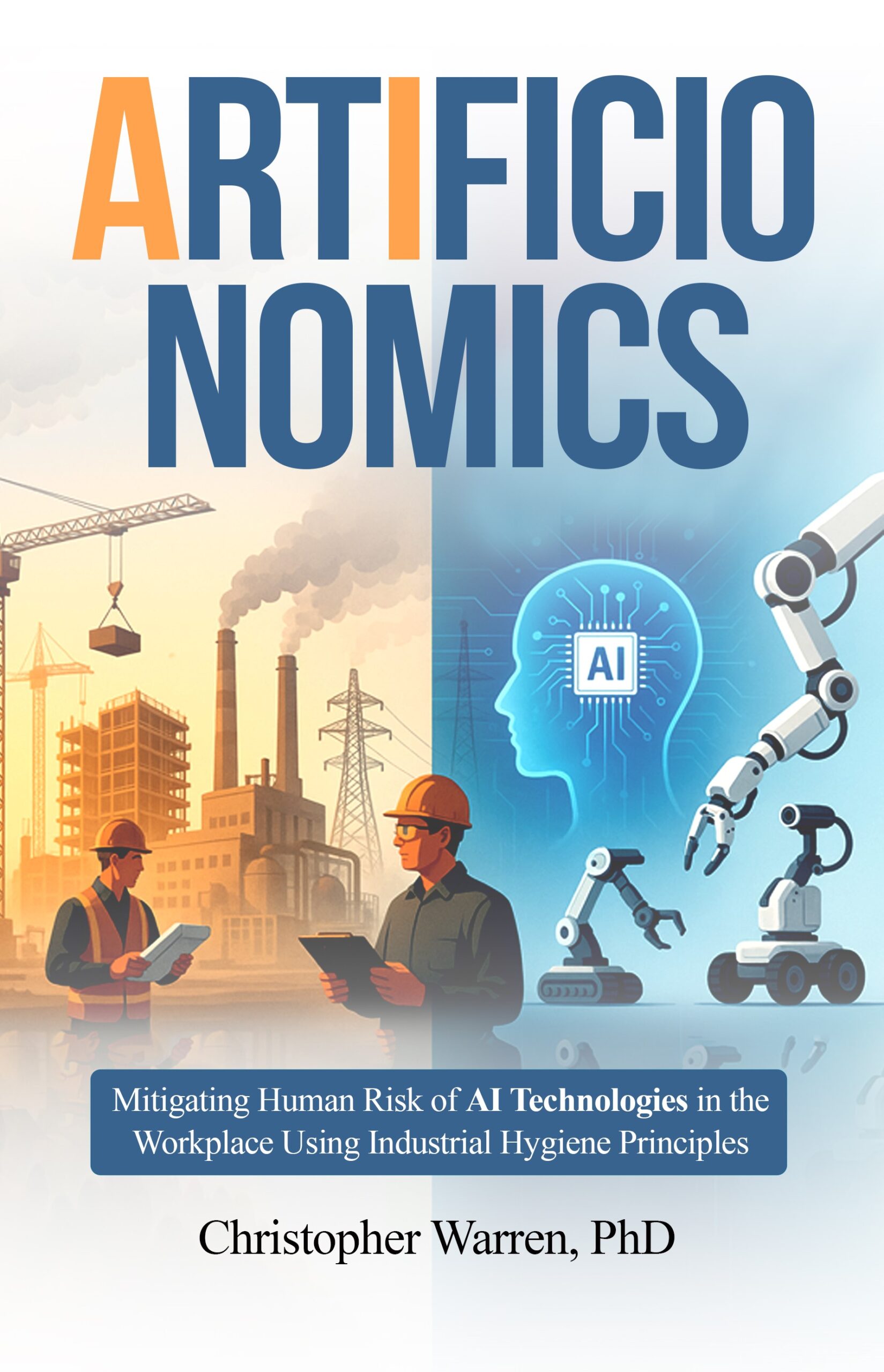
For readers interested in a structured way to approach this alignment, ArtificIonomics: Mitigating Human Risk of AI Technologies in the Workplace Using Industrial Hygiene Principles offers practical insight. By framing AI as a workplace exposure rather than a technical abstraction, the book provides a foundation for treating safety as a strategic pillar of AI adoption. For more information and insight, please visit https://artificionomics.com/.