Leadership today carries a different weight than it did even a decade ago. With a significant shift in technology, decisions travel faster, impact wider groups, and are often shaped by systems leaders do not fully control. In this environment, effective leadership is no longer effective when it is comprised of a traditional framework and approach. Modern leaders who succeed are those who pay attention to how work actually feels for the people doing it while also adapting to things that will improve the overall performance and productivity of their teams and organizations as well.
If you are a leader seeking this knowledge, below are eight essential things every leader should take into account in the modern era.
1. The Human Experience of Work
Policies and strategies matter, but daily experience matters more. Leaders must understand how expectations, pace, and pressure affect people. When work feels unsustainable, performance eventually suffers. Listening to workers and observing how work unfolds provides insight no dashboard can replace.
2. Trust as an Operational Asset
Trust influences everything from safety reporting to retention. When people believe leadership acts fairly and transparently, they are more likely to speak up and engage. Trust is built through consistent actions, not slogans. Leaders who protect trust protect their organizations.
3. Psychological Safety
People need to feel safe raising concerns and asking questions. This is especially important in rapidly changing environments. When fear replaces openness, risks go unreported. Leaders set the tone by how they respond to mistakes and feedback.
4. Change Fatigue
Constant change can exhaust even the most committed teams. Leaders must recognize when people are stretched thin and provide time to adapt. Change introduced without support often leads to shortcuts and disengagement. Sustainable progress requires pacing.
5. Accountability in Complex Systems
Modern work is shaped by many influences, including digital tools and automated processes. Leaders must ensure accountability remains clear even when decisions are supported by technology. Responsibility cannot be passed to systems. It always rests with people.
6. Learning as a Continuous Process
Skills become outdated quickly. Leaders should encourage ongoing learning rather than one time training. This applies not only to technical skills, but also to judgment, communication, and resilience. Organizations that learn and adapt better under pressure.
7. AI and Worker Safety
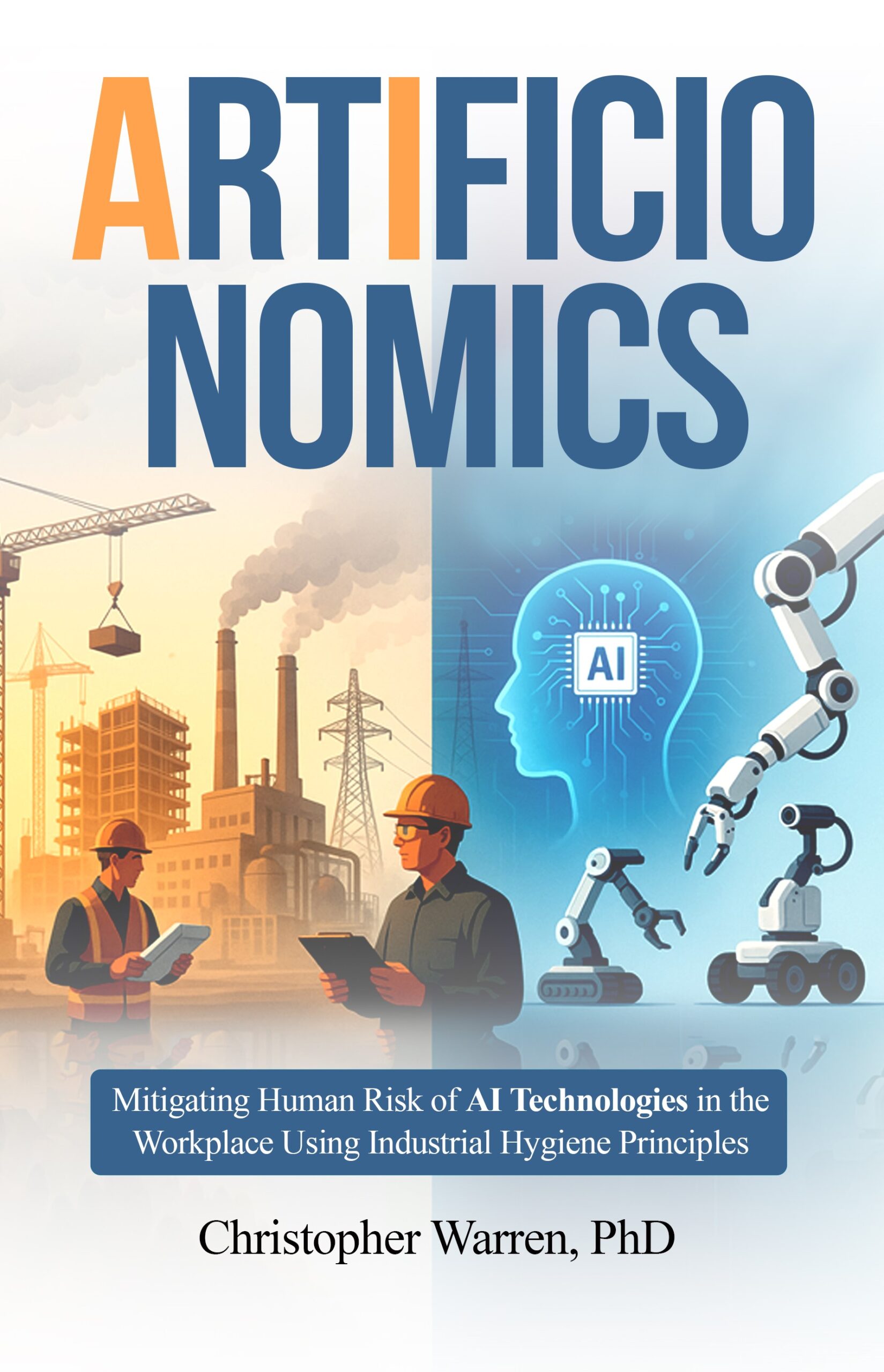
Artificial intelligence now shapes scheduling, monitoring, and decision-making in many workplaces. Leaders must understand how these systems affect workload, stress, and safety. AI can reduce risk when used thoughtfully, but it can also create hidden pressures. Books such as ArtificIonomics: Mitigating Human Risk of AI Technologies in the Workplace Using Industrial Hygiene Principles by Christopher Warren offer a structured way to think about AI through the lens of worker well-being, helping leaders integrate technology without losing sight of people.
Artificionomics redefines how we think about workplace safety in the age of artificial intelligence. Drawing on decades of experience in industrial hygiene and risk management, Dr. Christopher Warren introduces a groundbreaking new discipline for addressing the human risks associated with AI and robotics. From physical hazards to psychological pressures, this book reveals how technology can be integrated responsibly without sacrificing worker well-being. Packed with case studies, practical tools, and actionable strategies, ArtificIonomics is a must-read for safety professionals, executives, and anyone seeking to protect people while embracing innovation.
8. Long Term Impact Over Short Term Wins
Quick gains are tempting, but leadership is measured over time. Decisions that ignore long term effects on people often lead to turnover, burnout, and reputational harm. Leaders who consider long term impact build stronger, more resilient organizations.
Leadership today is less about having all the answers and more about asking the right questions. When leaders focus on people, trust, and responsibility, they create conditions where both performance and well-being can thrive.
For more details visit our website: https://artificionomics.com/